
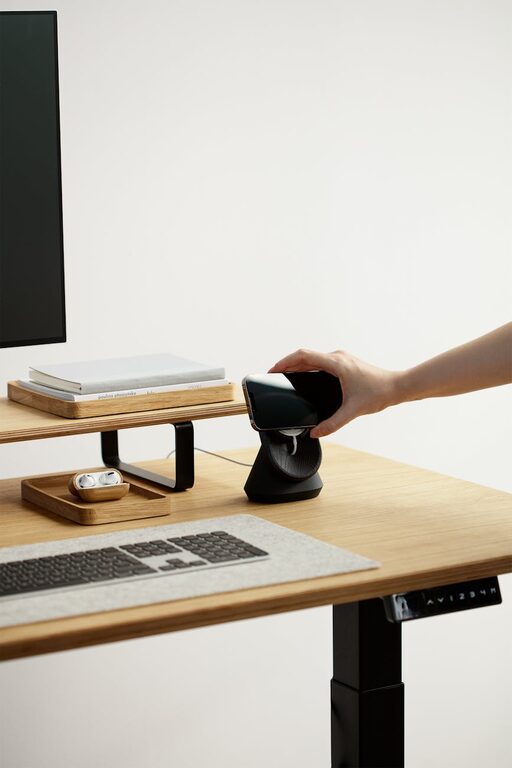
Setting up a home workspace that is both relaxing and productive can be a game-changer, especially as more people work remotely or split their time between home and office. The goal is to create an environment that encourages concentration and creativity without feeling stressful or cluttered. Here, we’ll explore practical ideas to help you design a workspace tailored to your needs.
Why a Well-Designed Home Workspace Matters
Your workspace has a big impact on your mood and efficiency. A cluttered, uncomfortable area can lead to distractions, fatigue, and slowed work, while a well-organised and calm space promotes focus and wellbeing. By carefully considering elements such as lighting, furniture, and layout, you can make your workspace a place you look forward to spending time in.
Choose the Right Location
Prioritise Natural Light
Natural light not only improves your mood but also reduces eye strain. If possible, position your desk near a window. This will keep your space bright and more inviting. However, remember to avoid glare on your screen by adjusting blinds or the placement of your monitor.
Minimise Noise and Interruptions
Try to find a quiet corner for your workspace, away from household noise or high-traffic areas. If this isn’t possible, consider noise-cancelling headphones or a small white noise machine to help you stay focused.
Invest in Comfortable and Functional Furniture
Ergonomic Chair and Desk
A good chair that supports your back can prevent discomfort during long working hours. Ergonomic chairs with adjustable height, lumbar support, and armrests are ideal. Similarly, your desk should be at a height that allows your arms to rest comfortably while typing.
Consider a Standing Desk
If you prefer to alternate between sitting and standing, a sit-stand desk can help reduce fatigue and improve posture. Start by adjusting to standing for short periods, gradually increasing based on your comfort.
Keep Your Workspace Organised
Declutter Regularly
A clutter-free desk reduces stress and makes it easier to focus. Keep only essential items on your desk and store others in drawers or organisers.
Use Organisers and Storage Solutions
Desk trays, filing holders, and cable management clips can keep everything in its place, helping maintain a tidy look. Label storage boxes for easy access and weekly tidying sessions.
Optimise Your Technology Setup
Invest in Quality Equipment
Reliable computer hardware, a good quality keyboard, mouse, and a second monitor if needed, can make your work more efficient and enjoyable.
Manage Cables Neatly
Use cable organisers or clips to prevent cords from tangling. A tidy cable arrangement enhances both safety and aesthetics.
Personalise Your Space Thoughtfully
Add Inspiring Elements
Include plants, art prints, or meaningful photos to create a welcoming atmosphere. Plants, for example, improve air quality and bring a sense of calm.
Keep Scents and Sounds Soothing
If you like, use subtle scents such as lavender or eucalyptus through a diffuser, and consider calming background music or nature sounds to enhance relaxation and focus.
Pay Attention to Lighting
Layered Lighting
Combine overhead lights with task lighting such as a desk lamp. Adjustable lamps allow you to focus light where you need it most and reduce eye strain.
Avoid Harsh Fluorescent Lighting
Soft white LED bulbs often create a more comfortable working environment that mimics natural daylight without being too harsh.
Establish a Routine and Boundaries
Set Working Hours
Try to keep consistent starting and finishing times to maintain a healthy work-life balance.
Create a Clear End-of-Day Ritual
Turning off your computer, tidying your desk, or closing the door to your workspace signals the end of work and helps switch off mentally.
Incorporate Breaks and Movement
Taking regular breaks away from your desk refreshes your mind and prevents stiffness. Simple stretches or short walks contribute to better focus when you return.
—
Creating a relaxing and productive home workspace doesn’t require a complete overhaul. Small, thoughtful changes to your setup and routine can make a significant difference. Focus on comfort, organisation, and atmosphere to build a space that works for you every day.