
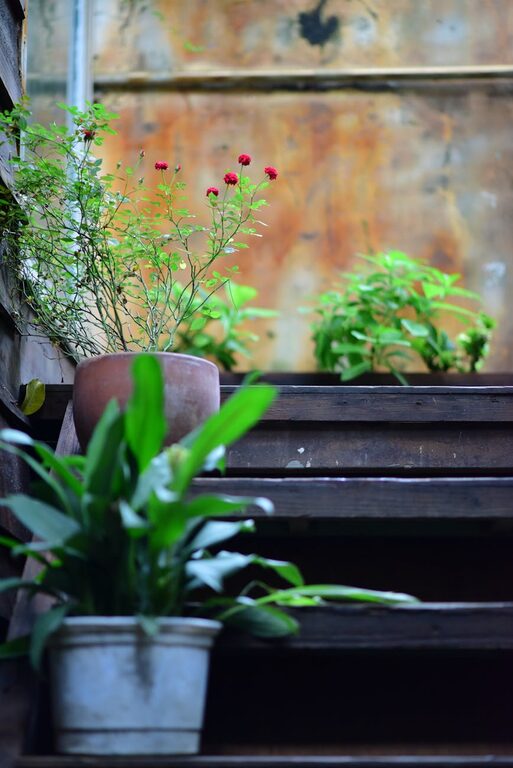
Creating a relaxing home garden space is a wonderful way to enjoy nature, unwind after a busy day, and add beauty to your property. Whether you have a large backyard or a small balcony, thoughtful planning and simple steps can help you design a garden that feels like your own peaceful retreat. This guide offers easy-to-follow tips to help you create a calm, inviting outdoor space tailored to your tastes.
Why Create a Relaxing Garden Space?
Spending time outdoors in a garden has been shown to reduce stress and improve mood. A thoughtfully designed garden invites you to slow down, breathe deeply, and appreciate the natural world. Creating a relaxing space can also enhance your home by providing an attractive, usable area for activities like reading, meditating, or socialising with friends and family.
Step 1: Plan Your Garden Layout
Before buying plants or garden furniture, take some time to plan your garden’s layout.
– Assess your space: Measure your garden or balcony area and note the amount of sunlight it receives during the day.
– Choose a focal point: Decide on a central feature like a seating area, water feature, or a collection of interesting plants.
– Create zones: You might want to include separate spaces for relaxing, gardening, or dining.
– Draw a simple sketch: This helps you visualise where each element will go and ensures the garden feels balanced.
Step 2: Select Plants Wisely
Plants form the heart of any garden, and choosing the right ones helps create a tranquil environment.
– Opt for low-maintenance plants: If you’re new to gardening, plants like lavender, ferns, or succulents are easy to care for.
– Consider sensory appeal: Select plants that provide pleasant scents, textures, or colours. Jasmine or rosemary, for example, offer lovely fragrances.
– Use a mix of heights: Combine taller plants or shrubs with ground cover and flowers for visual interest.
– Incorporate native plants: These usually require less water and care, and they support local wildlife.
Step 3: Add Comfortable Seating
To truly relax, you’ll need a comfortable place to sit.
– Choose appropriate furniture: Weather-resistant chairs, benches or even a hammock can provide a cosy spot.
– Use cushions and throws: These add softness and make the space more inviting.
– Consider shade: A parasol, pergola or shade sail can provide relief on sunny days.
– Place seating strategically: Position seats to enjoy the best views and avoid noisy areas like roads.
Step 4: Introduce Water Features and Natural Sounds
The sound of water can enhance the peaceful atmosphere of your garden.
– Small fountains or birdbaths: These attract birds and create gentle water sounds.
– Ponds or water bowls: Even a small pond can add interest and support wildlife.
– Wind chimes or natural sound elements: Placing these thoughtfully can complement the garden’s calming effect.
Step 5: Use Lighting to Create Ambience
Good lighting helps extend the garden’s usability into the evening.
– Soft, warm lighting: Use fairy lights, lanterns, or solar-powered lights to create a cosy atmosphere.
– Highlight key features: Illuminate plants, pathways or seating areas to add depth.
– Safety first: Ensure paths and steps are well-lit to prevent accidents after dark.
Step 6: Keep It Tidy and Personalised
A cluttered garden can feel stressful rather than relaxing.
– Regular maintenance: Keep the area free of weeds, dead leaves and debris.
– Storage solutions: Use garden storage boxes or sheds to keep tools and equipment out of sight.
– Add personal touches: Use decorative pots, art pieces, cushions, or wind sculptures that reflect your style.
Step 7: Incorporate Paths and Access
Paths guide movement and add structure to your garden.
– Define walkways: Use gravel, stepping stones, or decking to create clear paths.
– Accessibility: Make sure paths are even and wide enough for easy access.
– Enhance with borders: Edging with plants or stones gives a neat appearance.
Step 8: Encourage Wildlife
A garden that invites birds, bees and butterflies feels more alive and peaceful.
– Plant flowering species: These provide nectar for pollinators.
– Add bird feeders and houses: Help local birds find food and shelter.
– Create habitats: Piles of logs or small ponds support insects and amphibians.
Final Tips for Sustaining Your Relaxing Garden Space
– Be patient: Gardens take time to mature and reveal their full beauty.
– Adapt as needed: Modify plant choices or furniture arrangements if something doesn’t work.
– Enjoy the process: Gardening itself can be relaxing and rewarding.
– Spend regular time outside: The more you use your garden, the more it becomes your special retreat.
—
By following these straightforward steps, you can create a home garden space that invites calm, beauty and nature into your daily life. Whether you’re sipping tea among your favourite flowers or listening to the birdsong at sunset, your garden can become a sanctuary that refreshes both body and mind. Happy gardening!