
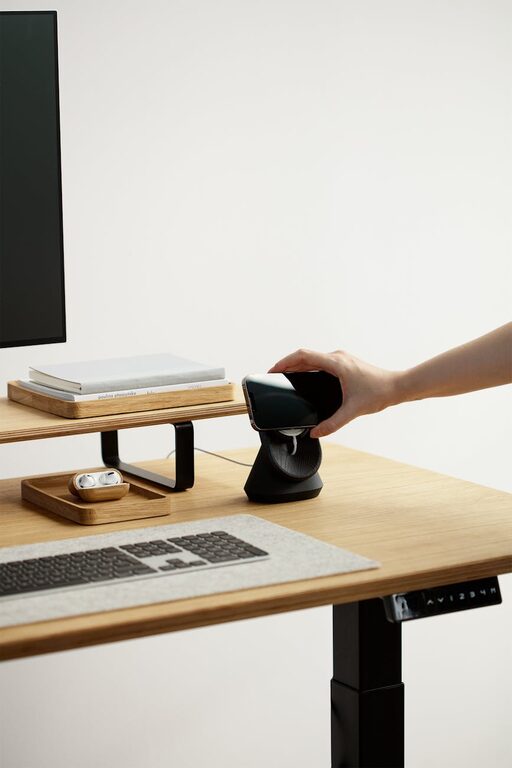
Creating a productive home office environment is essential for anyone working remotely or running a business from home. A well-designed workspace can improve your focus, increase your efficiency, and help maintain a healthy work-life balance. Whether you have a dedicated room or just a corner of a room to work in, there are simple adjustments you can make to maximise your productivity and comfort.
Choose the Right Location
The first step in creating a productive home office is selecting a suitable spot. Consider these factors when choosing your workspace:
– Quietness: Pick a place with minimal distractions and noise.
– Natural light: Position your desk near a window if possible to benefit from daylight, which can reduce eye strain and boost mood.
– Space: Ensure there’s enough room for your essential equipment and some freedom to move comfortably.
If space is limited, try to designate a specific area for work and keep it tidy to mentally separate work from leisure.
Invest in Ergonomic Furniture
Comfort plays a vital role in productivity, especially when you might spend several hours sitting at your desk.
– Chair: Choose an ergonomic chair that supports your lower back and encourages good posture.
– Desk: Pick a desk at the right height, allowing your arms to rest comfortably at a 90-degree angle.
– Monitor height: Position your computer monitor so the top of the screen is at eye level to reduce neck strain.
If space and budget allow, consider adjustable desks that let you alternate between sitting and standing.
Optimise Lighting
Good lighting helps reduce eye fatigue and creates a pleasant atmosphere.
– Use natural light during the day.
– Supplement with task lighting such as a desk lamp that provides focused illumination on your work area.
– Avoid glare on screens by adjusting curtains, blinds, or monitor placement.
Keep Your Workspace Organised
Clutter can be distracting and stressful. Maintain order with these tips:
– Use storage solutions such as shelves, filing cabinets, or drawer organisers.
– Keep frequently used items within easy reach.
– Regularly declutter to prevent unnecessary buildup.
An organised space helps your mind stay clear and focused.
Minimise Distractions
At home, distractions can easily interrupt your workflow.
– Set boundaries with family or housemates about your working hours.
– Turn off non-essential notifications on devices.
– Use noise-cancelling headphones or calming background music if it helps you concentrate.
Consider creating a daily routine to establish work rhythms that signal when it’s time to focus.
Personalise Your Space
While keeping it functional, personalising your home office can make it more inviting and motivating.
– Add plants for a touch of nature and improved air quality.
– Display inspiring quotes or artwork.
– Choose colours and decorations that make you feel calm and focused.
Just be cautious not to over-decorate, which can create distractions.
Ensure Good Ventilation and Temperature Control
A comfortable temperature and fresh air are important for maintaining alertness.
– Open windows regularly to allow airflow.
– Use fans or heaters as needed to keep the temperature comfortable.
– Avoid working in stuffy or overly warm environments that can make you feel lethargic.
Use Technology to Your Advantage
Leverage technology that supports productivity without being overwhelming.
– Invest in a reliable internet connection to prevent interruptions.
– Use productivity apps for time management, task tracking, or collaboration.
– Keep software and hardware up to date to avoid technical delays.
However, be mindful not to get distracted by social media or unnecessary alerts.
Take Regular Breaks
Breaks are essential to maintain concentration and reduce fatigue.
– Follow the Pomodoro technique by working for 25 minutes, then taking a 5-minute break.
– Use breaks to stretch, hydrate, or briefly change your environment.
– Step outside occasionally for fresh air and natural light.
Regular breaks help refresh your mind and sustain productivity throughout the day.
Create a Clear Work-Life Separation
One of the challenges of working from home is distinguishing between work time and personal time.
– Stick to consistent working hours.
– Avoid working from your bedroom or sofa if possible.
– Clear your desk and switch off work-related devices at the end of the day.
Maintaining boundaries helps reduce stress and improves overall wellbeing.
—
By carefully selecting your workspace, investing in comfort, organising effectively, and managing distractions, you can create a home office environment that supports your best work. Remember, small changes can make a big difference in how productive and enjoyable your day feels.